From being Deprived of Freedom to having a PRO House Washing Career

Life in prison often brings a paradoxical opportunity, though freedom is restricted, the environment provides structure, discipline, and space for reflection. In many cases, individuals use this time to rebuild habits, set goals, and focus on personal growth. Surprisingly, the work of PRO house washing providers mirror this process in the domestic sphere.

Just as structured routines in prison can transform a person, hiring skilled cleaners can transform a home, creating clarity, order, and the mental space necessary for personal progress.

Foundations for Transformation
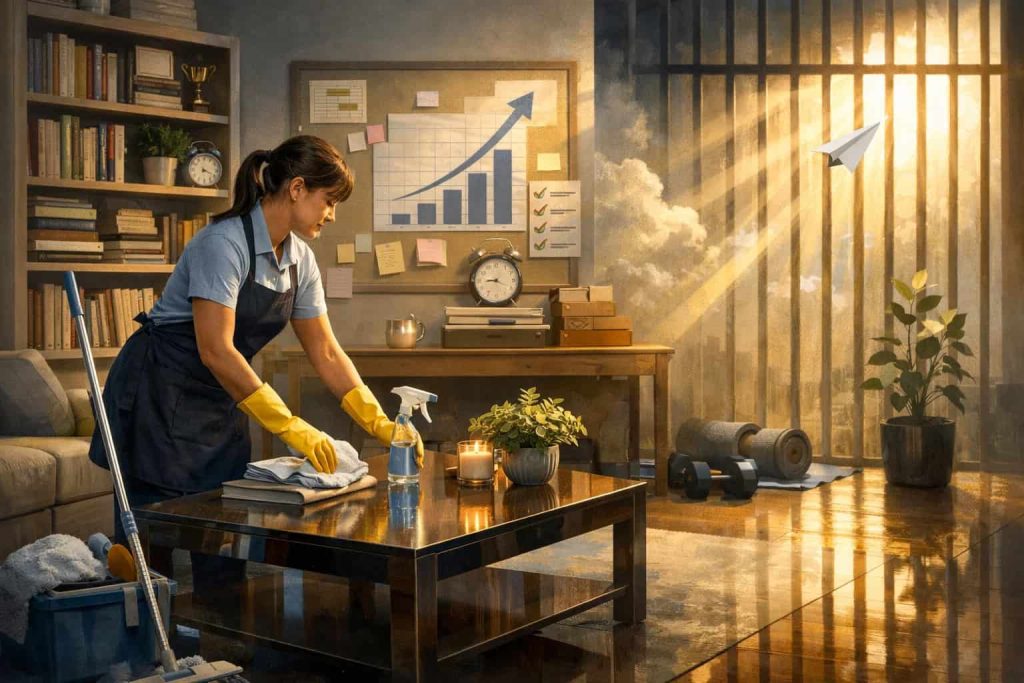
One of the most important aspects of incarceration is routine. Daily schedules, wake-up times, work assignments, meals, and recreation, instill discipline and predictability. This structure supports rehabilitation by creating a framework for consistent, productive behavior.

Professional house cleaners provide a similar framework in the home. By establishing regular cleaning schedules, they bring order to spaces that may have fallen into disarray. Bedrooms, kitchens, bathrooms, and living areas receive attention on a predictable basis, helping occupants develop and maintain a cleaner, more organized environment.

Just as structured routines in prison encourage constructive habits, scheduled cleaning creates a foundation that supports mental clarity and efficiency.

Renewal through Care

Time in prison often offers individuals the chance to confront disorder in their lives and rebuild priorities. Symbolically, this is akin to the way a professional cleaning team addresses chaos in the home. Messy rooms, accumulated clutter, and neglected surfaces can create stress and distraction, much like unresolved personal issues can impede growth.

Professional cleaners restore order through systematic attention to detail. Floors are scrubbed, surfaces sanitized, and spaces organized.

The result is a home that feels refreshed and renewed, a clear environment that mirrors the internal clarity inmates may achieve through reflection and structured activity.

Outsourcing for Mental Space

In prison rehabilitation programs, individuals often have opportunities to engage in education, therapy, and skill-building. Freed from constant survival or unstructured distractions, they can focus on self-improvement. Similarly, hiring professional cleaners allows residents to offload time-consuming, repetitive chores.

This outsourcing is more than convenience. It frees mental and emotional energy. With cleaning tasks managed by professionals, homeowners can invest in their goals such as:

  • Studying
  • Working on projects
  • Exercising
  • Spending quality time with family

Like structured programs in prison, professional cleaning enables a shift in focus from immediate survival and maintenance to long-term growth and achievement.

Building a Healthier, more Productive Life

Both incarceration and professional cleaning share a central theme, transformation through structure, order, and support. In prison, individuals may emerge with renewed purpose, refined habits, and greater focus. At home, professional cleaners allow residents to cultivate an environment that promotes productivity, wellbeing, and personal growth.

Just as time in a disciplined environment can foster reflection and rehabilitation, a well-maintained home provides the clarity and stability needed to pursue personal goals, move forward with intention, and live a more balanced, organized life.

In both cases, the lesson is the same, order creates freedom. Whether behind bars or within one’s own four walls, structure, discipline, and thoughtful support open the door to meaningful growth and transformation.
10 Ways Dr Horrible Reflects the Mental Battles Faced Inside Prison Walls

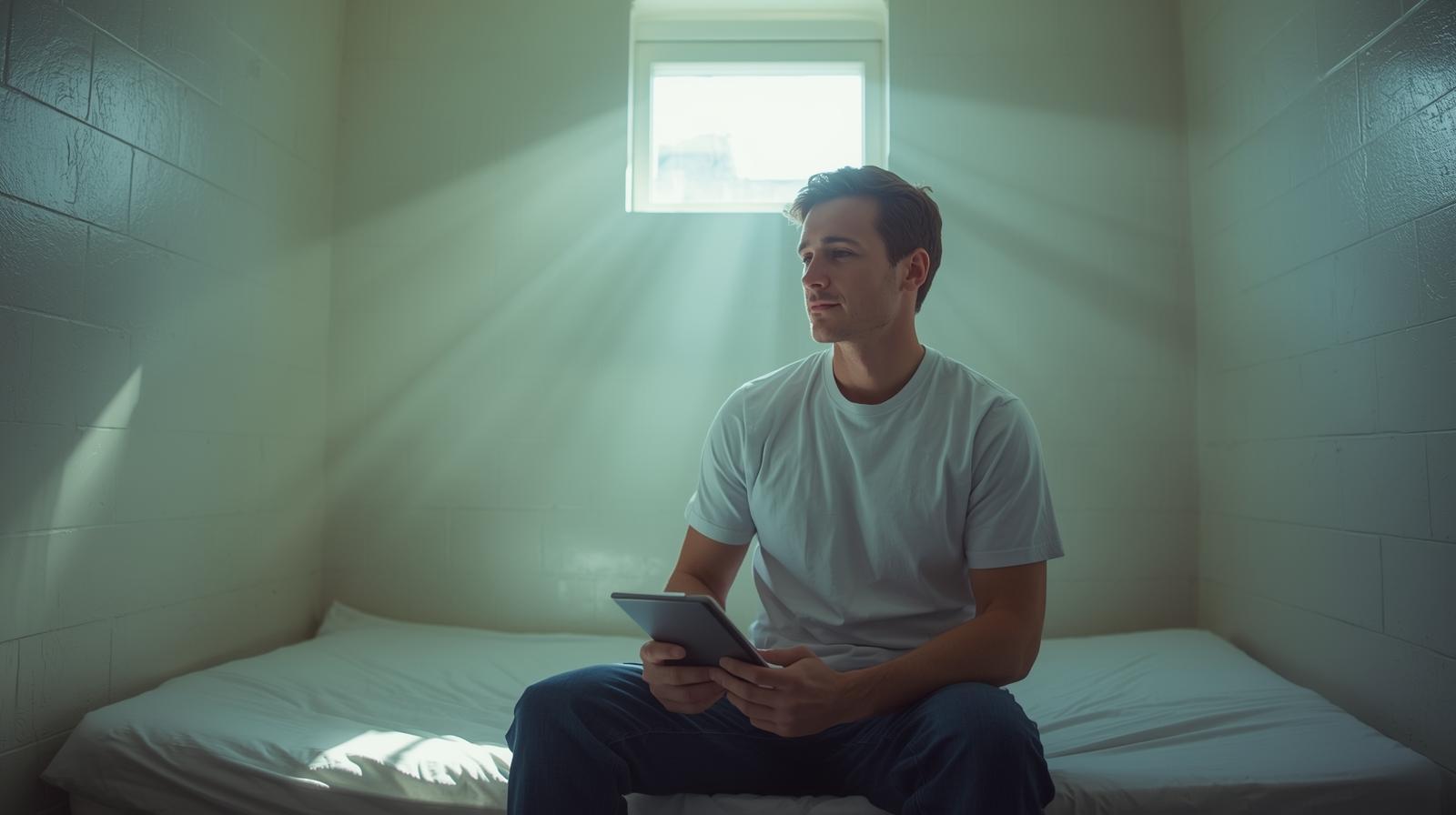
Hopeful inmate reflects inside quiet cell as soft light highlights personal growth.

After receiving a sentence, individuals often struggle with a hidden emotional burden. Isolation, self-doubt, and the inner fight to discover one’s purpose all contribute to how one emotionally handles the time in prison.

Dr Horrible is based on a character who deals with a lot of the struggles found within himself and, as a result, self-destructive behaviors.

He is a prisoner of his own making. He reminds us of just how much prison can exacerbate the external conflicts in our lives.

He lends us a great deal of autobiography to the struggles of self-conflict and, no doubt, self-dismantlement.

The Pressure of Dual Identities

The tension from Dr. Horrible’s character even mirrors some of the issues that those in prison have to confront.

This inner conflict is mostly about the public image he maintains and the private persona he is trying to reveal.

Prison is the sole setting where individuals, on their own, are forced to confront their past.

This experience is often painful, and the struggle to eliminate the old self in order to become a completely new person with a positive identity can be exhausting.

Confronting Regret

The character of Dr. Horrible also represents the burden of regret that many behind bars and with their own self-imprisonment face.

The emotional baggage is evident, and their plea for redemption is clear and often genuine. This emotional pain is often a precursor to real change.

Isolation as a Turning Point

By their very nature, prisons isolate everyone from society and from those they are closest to in their lives.

This disruption also forces those inside to reevaluate their lives. Dr. Horrible manages to capture the beauty that often comes from solitude.

Moral Battles in Tight Spaces

Having to manage emotional battles in tight and restrictive spaces can be difficult. The internal conflict of the character hinges on the paradox of doing harm versus seeking redemption.

This internal struggle characterizes others trying to do right by themselves and their lives in tough and limiting situations.

The Desire to Be Seen

Those in the system feel voiceless. The internal conflict of Dr. Horrible and the desire to be seen for efforts, even if misguided, speak to the universal frustration of bearing the emotional and psychological load to create change in one’s life.


ALSO READ: Some Ideas About Encouraging People’s Growth Mindset


Breaking Cycles

The cycle of a behavior can trap an individual long before they are incarcerated. The character’s attempts to break free, and his subsequent failures to do so, are parallels to the challenges of breaking patterned behaviors associated with rehabilitation.

Pressure From Power Structures

Hierarchies of all kinds exist, including in a prison. Dr. Horrible’s navigate and adapt to large, controlling frameworks the same way prisoners do to the complex power systems that govern their emotional and mental lives.

The Weight of Missed Opportunities

Missed opportunities are a frequent emotional trigger for those incarcerated. The character is an embodiment of the grief that comes from recognizing how old choices limit present opportunities and the emotional grief that comes from losing them.

Hope in Unexpected Places

Small and subtle moments are present. Dr. Horrible is more introspective, focused on the inner self; scenes remind us that his soft moments of hope are capped by sharp and harsh events.

The Impact of Self-Awareness on Transformation

The struggles within the four walls of the prison environment focus on acceptance of pain, the challenge of understanding of self, and the desire for change.

The journey of the character illustrates how the process of self-awareness can be the starting point of authentic change, regardless of how bleak the environment appears.